

muscle

Why Muscle Mass Is a Predictor of LongevityWhy Muscle Mass Is a Predictor of Longevity

muscle

Building and maintaining muscle mass does more than help with strength or cosmetic goals. It plays a direct role in how well your body handles aging, illness, and daily physical demands. Many people assume longevity depends only on diet or medical care, but muscle acts like a long-term health asset that supports metabolism, bone strength, and even immune response. As you grow older, muscle naturally declines, yet the rate of loss depends heavily on lifestyle. By understanding why muscle matters and how it influences long-term health, you can make smarter choices that support both quality of life and life expectancy. This introduction opens the door to a closer look at why muscle mass has become a key indicator for predicting how long and how well someone may live.

Muscle and Metabolic Health

muscle

Muscle tissue plays a role in controlling blood sugar, helping the body regulate insulin and glucose far better than fat or other tissues. People who protect their muscles as they age often have steadier energy levels and a lower risk of developing long-term metabolic conditions. A body that carries healthy muscle uses calories more efficiently, which keeps weight gain in check and supports a steady metabolism. These benefits create a chain reaction in overall wellness that lasts well into later years.

Muscle also supports hormonal balance, which becomes increasingly important as natural hormone levels shift with age. Better balance can influence sleep, mood, and appetite and even help manage stress. These combined factors help explain why individuals with more lean mass tend to have healthier metabolic profiles and a reduced chance of developing chronic illnesses that can shorten life. Muscle becomes a dependable protective shield that quietly works behind the scenes each day.

Mobility, Strength, and Independence

One overlooked aspect of muscle mass is how it affects daily function. Stronger bodies handle routine movements like bending, lifting, and walking with less strain, reducing the risk of falls or sudden injuries. This becomes especially important in older adulthood, where loss of independence often begins with physical limitations. Maintaining muscle helps prevent that decline and keeps life active and enjoyable.

Greater mobility also supports a more social lifestyle, which has been linked to better mental health and improved longevity. People who can move comfortably are more likely to exercise, participate in hobbies, and stay connected with others. The combination of physical capability and emotional well-being creates a positive cycle that can extend lifespan. In this way, muscle offers benefits that reach far beyond the gym or workout routine.

Immune Function and Long-Term Health

holding hand

Muscle acts as a reserve that the body can draw on during illness, recovery, or stress. When someone lacks muscle, the body struggles to maintain strength while fighting off infections or healing from injury. This is one reason medical studies consistently link low muscle mass to higher risks during hospital stays or chronic disease treatment. Larger muscle reserves give the body the fuel it needs to respond effectively. Strong muscle also reduces inflammation levels, helping the immune system work more efficiently. A body with balanced inflammation can recover faster, handle infections better, and withstand long-term wear. This protective effect becomes more valuable as people age, and their natural immune responses begin to slow down. Maintaining lean mass helps keep those defenses active for longer.

Muscle mass plays a far deeper role in longevity than many people realize. It helps stabilize metabolism, supports mobility, enhances independence, and strengthens the immune system. These combined benefits give the body the resilience it needs to handle aging with fewer complications and more comfort. Investing in muscle through consistent activity, smart eating, and active living can shift the course of long-term health in a remarkable way. By viewing muscle as a life-preserving resource rather than a cosmetic bonus, you set the foundation for a longer, stronger, and more capable future.

Related Post

brain fog

Simple Things We Do Every Day That Can Actually Lead to Brain FogSimple Things We Do Every Day That Can Actually Lead to Brain Fog

Do you ever find yourself feeling mentally foggy, struggling to concentrate, or lacking mental clarity? If so, you’re not alone. Many of us experience what is commonly known as “brain fog” from time to time. It can leave us feeling sluggish and unable to perform at our best. But some of the simple things we do every day could actually be contributing to this brain fog. That’s right.

From consuming too many artificial sweeteners to not getting enough sleep, these seemingly innocent habits may be clouding your mind more than you realize. Now, without further ado, let’s explore some common culprits behind brain fog and provide solutions on how you can clear the mist and regain your mental sharpness.

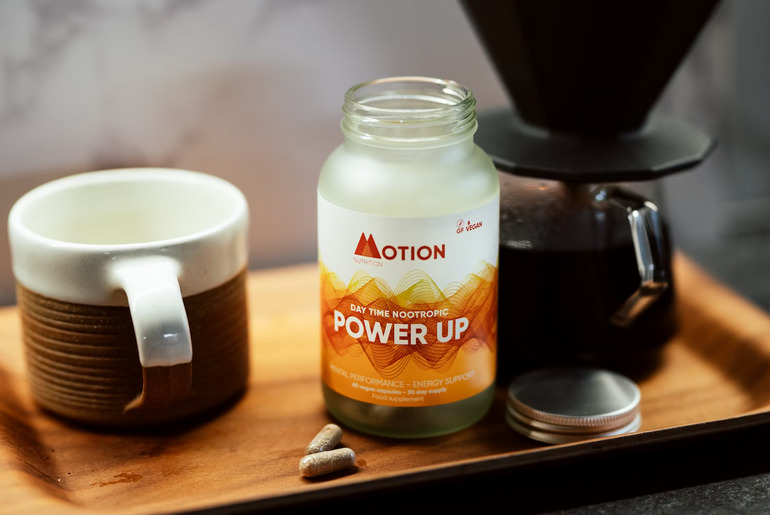
Not Taking Nootropic Supplements

nootropic

If you find yourself constantly dealing with brain fog and struggling to stay focused and productive throughout the day, it’s time to take the best nootropic supplement from Neuriva Plus.

Nootropics, AKA smart drugs or brain pills, are basically substances that can improve mental performance and enhance brain function. These supplements act by leveling up blood flow to the brain, boosting neurotransmitter levels, and promoting healthy brain cell growth.

Not Getting Enough Sleep

When we don’t get adequate rest, our cognitive abilities suffer. Our ability to concentrate and focus becomes impaired, making it difficult to perform tasks efficiently. We may also experience memory problems, finding it hard to remember even simple things. Moreover, lack of sleep affects our mood and emotional well-being. It’s no surprise that when we’re tired, we tend to be more irritable and moody. We might find ourselves feeling overwhelmed by the smallest setbacks or reacting disproportionately to minor inconveniences.

Consuming Too Much Artificial Sweeteners

sweet

These have become a staple in many people’s diets as a way to satisfy their sweet tooth without the added calories. However, consuming too much of these sugar substitutes may be doing more harm than good when it comes to our mental clarity. One common artificial sweetener is aspartame, which can be found in various diet sodas, sugar-free candies, and even some yogurts. While it may seem like a guilt-free indulgence, studies have linked excessive consumption of aspartame to cognitive issues that include memory problems and difficulty concentrating.

Another popular artificial sweetener is sucralose, often known by its brand name Splenda. It’s commonly used in baked goods and beverages marketed as “sugar-free.” However, research suggests that regular intake of sucralose may impair cognitive function over time.

Letting Your Body Get No Water

We all know that water is essential for our overall health and well-being. But did you know that not drinking enough water can actually contribute to brain fog? It’s true! When we don’t stay properly hydrated, our brains are affected too. Water is vital in maintaining proper brain function. It basically helps transport nutrients and oxygen to the brain cells, allowing them to work efficiently. When we become dehydrated, these processes slow down, leading to poor cognitive function and difficulty concentrating.

Dehydration can also lead to fatigue, another common symptom of brain fog. When we’re tired, it’s harder for our brains to process information and make decisions effectively. So, if you find yourself struggling with mental clarity throughout the day, it might be worth considering whether you’re getting enough H2O.

Skipping Regular Physical Activities

jog

When we don’t get moving, our blood flow slows down, and our brain doesn’t receive enough oxygen and nutrients to function at its best. It’s like depriving your brain of its fuel! Plus, physical activity helps release endorphins – those feel-good chemicals that boost mood and improve cognitive function.

But you don’t have to run a marathon or spend hours being a gym rat to reap the benefits. Even just 30 minutes of morning run or any other moderate-intensity exercise every single day can do wonders for your mental clarity. Take a walk outside during lunch break, dance around your living room while cleaning, or try out a new fitness class with friends – anything that gets you up and moving!

nature walk

Nature’s Prescription: Unveiling the Health Benefits of Spending Time OutdoorsNature’s Prescription: Unveiling the Health Benefits of Spending Time Outdoors

In a world where screens dominate our daily lives and indoor living has become the norm, it’s easy to overlook one of nature’s simplest yet most powerful remedies: the great outdoors. Imagine stepping outside, feeling the warm sun on your skin, breathing in crisp, fresh air, and surrounded by the soothing sounds of rustling leaves and chirping birds. This isn’t just a delightful escape; it’s a vital prescription for enhancing our physical and mental well-being. Join us as we embark on an enlightening journey through lush forests, tranquil parks, and stunning mountains to uncover how spending time outdoors can rejuvenate your mind, boost your mood, and transform your health in ways you never thought possible.

Boosts Mental Health and Reduces Stress

If you’ve ever taken a walk through the park or spent time in a quiet garden, you’ve probably noticed that being outside helps you feel more relaxed and at ease. That’s no coincidence. Studies show that spending time in nature reduces stress, anxiety, and depression. Natural environments, with their fresh air and green landscapes, have a calming effect on the mind. Simply being around trees, plants, and open spaces can help reduce the levels of cortisol, the body’s stress hormone, making you feel more peaceful and centered. Whether you’re taking a short break during your workday or planning a weekend hike, a little time outdoors can work wonders for your mental health.

Improves Physical Health and Fitness

Spending time outdoors isn’t just about mental health—it also has a positive impact on your physical health. Whether you’re walking, cycling, or engaging in more intense activities like hiking or running, outdoor exercise can help you stay fit and strong. Outdoor activities often provide a more varied and enjoyable workout experience compared to indoor gym routines. The fresh air, changing landscapes, and natural obstacles make outdoor exercise more engaging and challenging. Plus, physical activity in nature can improve cardiovascular health, boost stamina, and help maintain a healthy weight. So, instead of hitting the gym every day, consider swapping some of your indoor workouts for outdoor adventures to improve your overall fitness.

Enhances Immune Function

Enhances Immune Function

Another remarkable benefit of spending time outdoors is the positive impact it has on your immune system. Exposure to sunlight helps your body produce vitamin D, which plays a key role in maintaining healthy bones, regulating your immune system, and reducing inflammation. Just 15–30 minutes of sunlight exposure a few times a week can help keep your vitamin D levels up, particularly in the colder months when sun exposure is limited. Additionally, spending time in nature, especially in forested areas, has been shown to boost the activity of immune cells that help fight off infections and diseases. Nature offers a simple and natural way to strengthen your immune system and stay healthier.

Increases Creativity and Cognitive Function

If you’re feeling mentally foggy or in need of a creative spark, spending time outdoors can help you clear your mind and boost your cognitive abilities. Studies show that time spent in nature can improve focus, enhance creativity, and increase problem-solving skills. The natural world provides a much-needed break from the distractions and constant stimuli of everyday life, allowing your mind to reset and recharge. Even a short walk in the park can help improve concentration and productivity, making outdoor time a great way to stay sharp and energized. If you’re looking to boost your creativity or improve your focus, taking your work or brainstorming session outside can provide a much-needed mental refresh.

dog

Promotes Better Sleep

Struggling with sleep? Spending time outdoors during the day can help regulate your sleep patterns and improve the quality of your rest. Exposure to natural light during the day helps regulate your body’s circadian rhythm, which controls your sleep-wake cycle. Being outside during the day signals to your body that it’s time to be active, while nighttime darkness encourages relaxation. Additionally, outdoor exercise, especially in the morning, can help you fall asleep faster and enjoy deeper, more restorative sleep at night. So, if you’re having trouble sleeping, try getting outside more often during the day to help reset your body’s natural sleep cycle.

Spending time outdoors is more than just an enjoyable way to pass the time—it’s a powerful tool for improving your health and well-being. From boosting your mood and reducing stress to enhancing physical fitness and promoting better sleep, nature offers a variety of benefits for both your body and mind. So, the next time you’re feeling stressed or looking to improve your overall health, step outside and enjoy all that nature has to offer. Whether you’re taking a walk, going for a hike, or simply sitting in the sun, your body and mind will thank you for it.

cannabis oil

Positive Effects of CBD to the BrainPositive Effects of CBD to the Brain

Cannabidiol (CBD) is a household name in most states where cannabis has been legalized for medicinal use. It is also popular in other countries that are in the process of legalizing it. What makes it stand out is its ability to treat a wide range of conditions. Research carried out by different experts has shown that CBD is capable of managing various diseases. Anxiety is one of them. This is a condition we all face at one time or the other.

Those who suffer from general anxiety disorder are likely to experience constant worry and nervousness. This can affect their state of mental health. CBD interacts with endocannabinoid receptors to keep the body relaxed and free from anxiety. It can also trigger the release of endorphins, which help in relaxation.

brain functionThe other condition that can be managed using CBD is cancer. It prevents the growth or spread of cancer cells in the human body. Cancer patients, especially those who develop the dreaded condition in its early stages, are likely to benefit from using CBD. You can also use cannabidiol to keep your brain in the perfect state. Mental health conditions have become a common thing over the recent years. CBD plays an essential role in healing your brain. Here is how it works.

Forming the Brain Cells

Using CBD will help in the formation of neurons. These are brain cells used to send impulses to the central nervous system. This is vital for different responses in your body. CBD plays an essential role in the formation of these types of cells. Brain cells are also necessary for storing memory. The chances of experiencing memory loss are very minimal when you use CBD.

Relaxing the Brain

A relaxed brain is good for your mental health and also its function. CBD keeps your mind relaxed by driving off anxiety and other factors that affect the functioning of your brain. It also triggers the release of endorphins hormones responsible for relaxation. You should use CBD to keep your brain in the perfect state.

CBD edibleEliminating Depression

Depression is a condition that affects your mental health and usually comes about as a result of overthinking and other real-life experiences. Using CBD calms your mind and also reduces stress or anxiety. This keeps you free from depression. You should use CBD to stay in the perfect state of mental health.