

Building and maintaining muscle mass does more than help with strength or cosmetic goals. It plays a direct role in how well your body handles aging, illness, and daily physical demands. Many people assume longevity depends only on diet or medical care, but muscle acts like a long-term health asset that supports metabolism, bone strength, and even immune response. As you grow older, muscle naturally declines, yet the rate of loss depends heavily on lifestyle. By understanding why muscle matters and how it influences long-term health, you can make smarter choices that support both quality of life and life expectancy. This introduction opens the door to a closer look at why muscle mass has become a key indicator for predicting how long and how well someone may live.
Muscle and Metabolic Health

Muscle tissue plays a role in controlling blood sugar, helping the body regulate insulin and glucose far better than fat or other tissues. People who protect their muscles as they age often have steadier energy levels and a lower risk of developing long-term metabolic conditions. A body that carries healthy muscle uses calories more efficiently, which keeps weight gain in check and supports a steady metabolism. These benefits create a chain reaction in overall wellness that lasts well into later years.
Muscle also supports hormonal balance, which becomes increasingly important as natural hormone levels shift with age. Better balance can influence sleep, mood, and appetite and even help manage stress. These combined factors help explain why individuals with more lean mass tend to have healthier metabolic profiles and a reduced chance of developing chronic illnesses that can shorten life. Muscle becomes a dependable protective shield that quietly works behind the scenes each day.
Mobility, Strength, and Independence
One overlooked aspect of muscle mass is how it affects daily function. Stronger bodies handle routine movements like bending, lifting, and walking with less strain, reducing the risk of falls or sudden injuries. This becomes especially important in older adulthood, where loss of independence often begins with physical limitations. Maintaining muscle helps prevent that decline and keeps life active and enjoyable.
Greater mobility also supports a more social lifestyle, which has been linked to better mental health and improved longevity. People who can move comfortably are more likely to exercise, participate in hobbies, and stay connected with others. The combination of physical capability and emotional well-being creates a positive cycle that can extend lifespan. In this way, muscle offers benefits that reach far beyond the gym or workout routine.
Immune Function and Long-Term Health

Muscle acts as a reserve that the body can draw on during illness, recovery, or stress. When someone lacks muscle, the body struggles to maintain strength while fighting off infections or healing from injury. This is one reason medical studies consistently link low muscle mass to higher risks during hospital stays or chronic disease treatment. Larger muscle reserves give the body the fuel it needs to respond effectively. Strong muscle also reduces inflammation levels, helping the immune system work more efficiently. A body with balanced inflammation can recover faster, handle infections better, and withstand long-term wear. This protective effect becomes more valuable as people age, and their natural immune responses begin to slow down. Maintaining lean mass helps keep those defenses active for longer.
Muscle mass plays a far deeper role in longevity than many people realize. It helps stabilize metabolism, supports mobility, enhances independence, and strengthens the immune system. These combined benefits give the body the resilience it needs to handle aging with fewer complications and more comfort. Investing in muscle through consistent activity, smart eating, and active living can shift the course of long-term health in a remarkable way. By viewing muscle as a life-preserving resource rather than a cosmetic bonus, you set the foundation for a longer, stronger, and more capable future.
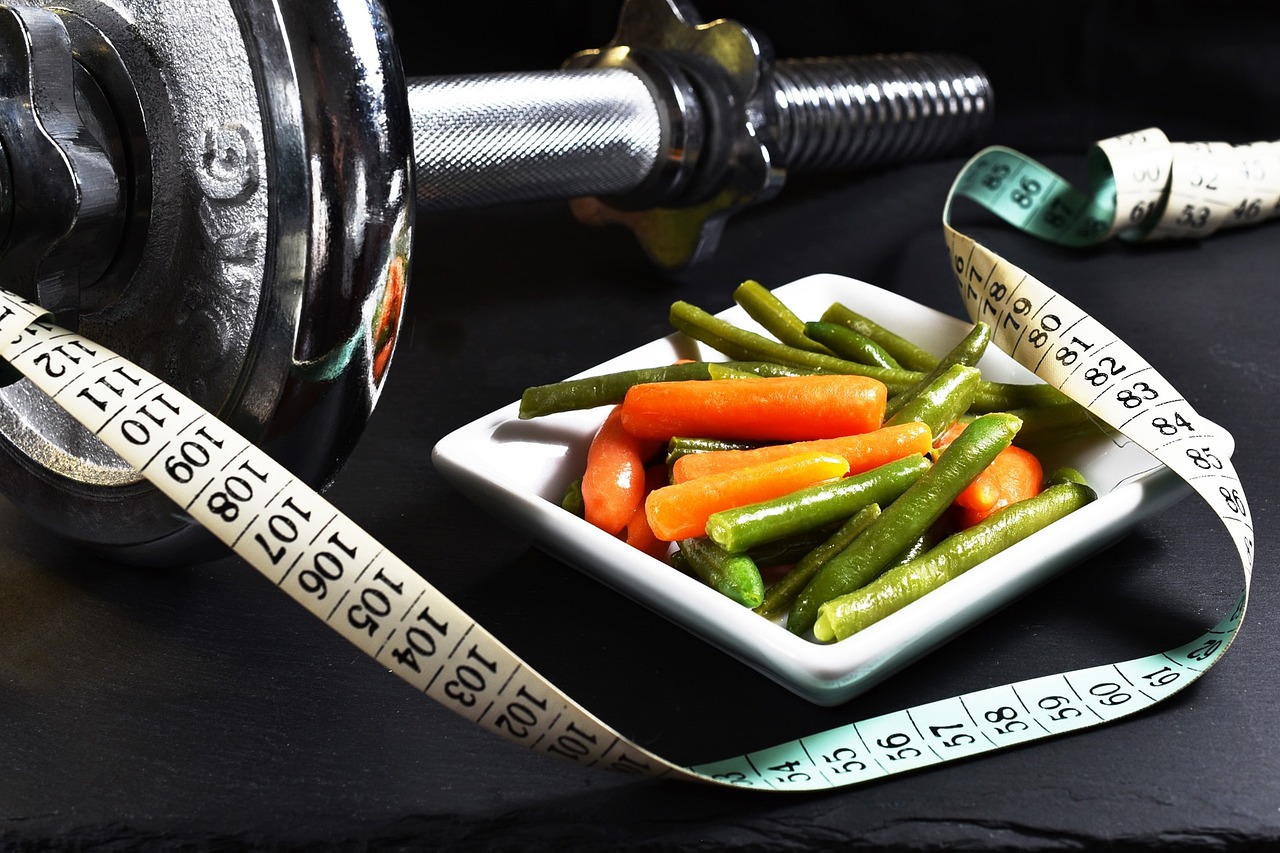

 Contrary to popular belief, snacking itself does not cause weight gain. It is the quality and quantity of snacks that matter. Opting for nutrient-dense snacks, such as fruits, vegetables, nuts, and yogurt, can provide essential nutrients while curbing hunger cravings. Additionally, smaller, portion-controlled snacks can help maintain steady blood sugar levels throughout the day, preventing excessive hunger and overeating during main meals.
 You are what you eat. This rings true even when it comes to burning stubborn fat. Before beginning your workout, make sure you eat a balanced meal full of healthy proteins and fiber that will give you the energy boost you need for your workout. Lean protein sources such as chicken, salmon, eggs, lean beef, and legumes provide essential amino acids that help build lean muscle mass, which will then help you burn the fat. Fiber-rich foods such as fruits, vegetables, and whole grains should also be included in your pre-workout meal to prevent hunger pangs during your workout.

 A high number of people are always afraid of using this particular product because of getting high.
 should have gone through the necessary checks to prove it is suitable for use. The hemp used in making the product should be planted in the right conditions, free from chemicals. This will ensure its quality is not compromised. Using high-quality CBD guarantees you quality results in blood pressure management.