Cannabidiol (CBD) is one of the best remedies for a wide range of illnesses. It is a hemp cannabis product that has been tested and proven to be useful for treating a wide range of conditions. Most countries are now legalizing cannabis for medicinal use only because of the benefits linked to CBD use. Some of the conditions that can be managed using this product include stress, anxiety, and chronic pain. It is also ideal for indirect blood pressure management.
Chronic stress is one of the leading causes of high blood pressure. CBD is an ideal remedy for stress and anxiety management. What you should understand about CBD is that it is non-psychoactive. A high number of people are always afraid of using this particular product because of getting high.
CBD has little or no THC content, so the chances of getting high from its use are quite minimal. It is super effective compared to some of the drugs you buy over the counter. This is because of how fast it is absorbed into your system to offer the necessary treatment. You should look for the right CBD oil for blood pressure management. Here is what to consider when buying one.
CBD Strength
You should look at the cannabidiol strength in the CBD oil you plan to buy for blood pressure management. This usually varies from one type to another. It would be best if you looked for a product with the right strength for your condition. Your doctor can advise on the right CBD strength, and you can also monitor the changes in your body after taking different dosages.
Brand
The brand of the CBD oil you want to buy is another thing to consider. Some brands are known to be of the right quality, while others may be compromised. Get to know the different brands better to identify the one with quality CBD oil for your blood pressure management. Reviews can help you choose the best.
Quality
The CBD oil product you plan to purchase should have gone through the necessary checks to prove it is suitable for use. The hemp used in making the product should be planted in the right conditions, free from chemicals. This will ensure its quality is not compromised. Using high-quality CBD guarantees you quality results in blood pressure management.
Do you ever find yourself feeling mentally foggy, struggling to concentrate, or lacking mental clarity? If so, you’re not alone. Many of us experience what is commonly known as “brain fog” from time to time. It can leave us feeling sluggish and unable to perform at our best. But some of the simple things we do every day could actually be contributing to this brain fog. That’s right.
From consuming too many artificial sweeteners to not getting enough sleep, these seemingly innocent habits may be clouding your mind more than you realize. Now, without further ado, let’s explore some common culprits behind brain fog and provide solutions on how you can clear the mist and regain your mental sharpness.
Not Taking Nootropic Supplements
If you find yourself constantly dealing with brain fog and struggling to stay focused and productive throughout the day, it’s time to take the best nootropic supplement from Neuriva Plus.
Nootropics, AKA smart drugs or brain pills, are basically substances that can improve mental performance and enhance brain function. These supplements act by leveling up blood flow to the brain, boosting neurotransmitter levels, and promoting healthy brain cell growth.
Not Getting Enough Sleep
When we don’t get adequate rest, our cognitive abilities suffer. Our ability to concentrate and focus becomes impaired, making it difficult to perform tasks efficiently. We may also experience memory problems, finding it hard to remember even simple things. Moreover, lack of sleep affects our mood and emotional well-being. It’s no surprise that when we’re tired, we tend to be more irritable and moody. We might find ourselves feeling overwhelmed by the smallest setbacks or reacting disproportionately to minor inconveniences.
Consuming Too Much Artificial Sweeteners
These have become a staple in many people’s diets as a way to satisfy their sweet tooth without the added calories. However, consuming too much of these sugar substitutes may be doing more harm than good when it comes to our mental clarity. One common artificial sweetener is aspartame, which can be found in various diet sodas, sugar-free candies, and even some yogurts. While it may seem like a guilt-free indulgence, studies have linked excessive consumption of aspartame to cognitive issues that include memory problems and difficulty concentrating.
Another popular artificial sweetener is sucralose, often known by its brand name Splenda. It’s commonly used in baked goods and beverages marketed as “sugar-free.” However, research suggests that regular intake of sucralose may impair cognitive function over time.
Letting Your Body Get No Water
We all know that water is essential for our overall health and well-being. But did you know that not drinking enough water can actually contribute to brain fog? It’s true! When we don’t stay properly hydrated, our brains are affected too. Water is vital in maintaining proper brain function. It basically helps transport nutrients and oxygen to the brain cells, allowing them to work efficiently. When we become dehydrated, these processes slow down, leading to poor cognitive function and difficulty concentrating.
Dehydration can also lead to fatigue, another common symptom of brain fog. When we’re tired, it’s harder for our brains to process information and make decisions effectively. So, if you find yourself struggling with mental clarity throughout the day, it might be worth considering whether you’re getting enough H2O.
Skipping Regular Physical Activities
When we don’t get moving, our blood flow slows down, and our brain doesn’t receive enough oxygen and nutrients to function at its best. It’s like depriving your brain of its fuel! Plus, physical activity helps release endorphins – those feel-good chemicals that boost mood and improve cognitive function.
But you don’t have to run a marathon or spend hours being a gym rat to reap the benefits. Even just 30 minutes of morning run or any other moderate-intensity exercise every single day can do wonders for your mental clarity. Take a walk outside during lunch break, dance around your living room while cleaning, or try out a new fitness class with friends – anything that gets you up and moving!
In a world where screens dominate our daily lives and indoor living has become the norm, it’s easy to overlook one of nature’s simplest yet most powerful remedies: the great outdoors. Imagine stepping outside, feeling the warm sun on your skin, breathing in crisp, fresh air, and surrounded by the soothing sounds of rustling leaves and chirping birds. This isn’t just a delightful escape; it’s a vital prescription for enhancing our physical and mental well-being. Join us as we embark on an enlightening journey through lush forests, tranquil parks, and stunning mountains to uncover how spending time outdoors can rejuvenate your mind, boost your mood, and transform your health in ways you never thought possible.
Boosts Mental Health and Reduces Stress
If you’ve ever taken a walk through the park or spent time in a quiet garden, you’ve probably noticed that being outside helps you feel more relaxed and at ease. That’s no coincidence. Studies show that spending time in nature reduces stress, anxiety, and depression. Natural environments, with their fresh air and green landscapes, have a calming effect on the mind. Simply being around trees, plants, and open spaces can help reduce the levels of cortisol, the body’s stress hormone, making you feel more peaceful and centered. Whether you’re taking a short break during your workday or planning a weekend hike, a little time outdoors can work wonders for your mental health.
Improves Physical Health and Fitness
Spending time outdoors isn’t just about mental health—it also has a positive impact on your physical health. Whether you’re walking, cycling, or engaging in more intense activities like hiking or running, outdoor exercise can help you stay fit and strong. Outdoor activities often provide a more varied and enjoyable workout experience compared to indoor gym routines. The fresh air, changing landscapes, and natural obstacles make outdoor exercise more engaging and challenging. Plus, physical activity in nature can improve cardiovascular health, boost stamina, and help maintain a healthy weight. So, instead of hitting the gym every day, consider swapping some of your indoor workouts for outdoor adventures to improve your overall fitness.
Enhances Immune Function
Another remarkable benefit of spending time outdoors is the positive impact it has on your immune system. Exposure to sunlight helps your body produce vitamin D, which plays a key role in maintaining healthy bones, regulating your immune system, and reducing inflammation. Just 15–30 minutes of sunlight exposure a few times a week can help keep your vitamin D levels up, particularly in the colder months when sun exposure is limited. Additionally, spending time in nature, especially in forested areas, has been shown to boost the activity of immune cells that help fight off infections and diseases. Nature offers a simple and natural way to strengthen your immune system and stay healthier.
Increases Creativity and Cognitive Function
If you’re feeling mentally foggy or in need of a creative spark, spending time outdoors can help you clear your mind and boost your cognitive abilities. Studies show that time spent in nature can improve focus, enhance creativity, and increase problem-solving skills. The natural world provides a much-needed break from the distractions and constant stimuli of everyday life, allowing your mind to reset and recharge. Even a short walk in the park can help improve concentration and productivity, making outdoor time a great way to stay sharp and energized. If you’re looking to boost your creativity or improve your focus, taking your work or brainstorming session outside can provide a much-needed mental refresh.
Promotes Better Sleep
Struggling with sleep? Spending time outdoors during the day can help regulate your sleep patterns and improve the quality of your rest. Exposure to natural light during the day helps regulate your body’s circadian rhythm, which controls your sleep-wake cycle. Being outside during the day signals to your body that it’s time to be active, while nighttime darkness encourages relaxation. Additionally, outdoor exercise, especially in the morning, can help you fall asleep faster and enjoy deeper, more restorative sleep at night. So, if you’re having trouble sleeping, try getting outside more often during the day to help reset your body’s natural sleep cycle.
Spending time outdoors is more than just an enjoyable way to pass the time—it’s a powerful tool for improving your health and well-being. From boosting your mood and reducing stress to enhancing physical fitness and promoting better sleep, nature offers a variety of benefits for both your body and mind. So, the next time you’re feeling stressed or looking to improve your overall health, step outside and enjoy all that nature has to offer. Whether you’re taking a walk, going for a hike, or simply sitting in the sun, your body and mind will thank you for it.
Are you feeling forgetful lately? You’re not alone. With the pressures of work, family, and everyday life, it can feel like our brains are running at full speed just to keep up with our activities. This is why some people take brain supplements. Many people wonder what brain supplements they should take. If you are interested on buying some, these are the best brain supplements for adults. Here, we’ll explore how you can keep your brain healthy.
Eat a Healthy Diet
The first tip for maintaining your brain health is to eat a healthy diet. Eating a balanced diet with lots of fruits, vegetables, and whole grains can help keep your brain functioning at its best. Additionally, adding foods that are rich in omega-3 fatty acids (like fish or avocado) can boost your cognitive performance. This is because these essential nutrients have been linked to improved mental performance, increased focus, and better memory. If you are the type of person who plans their meals, include these foods on your grocery list.
This way, you can make sure that you are consuming plenty of the vitamins and minerals your brain needs to function properly.
Get Enough Sleep
The second tip for maintaining your brain health is to get enough sleep. Sleep is essential to our physical and mental well-being, as it helps us process new information and memories. Studies have also linked inadequate sleep with cognitive decline over time. Therefore, it’s important to make sure you get at least seven to eight hours of quality sleep each night. It is also important not to overeat or drink too much caffeine throughout the day, as this can make it more difficult to fall asleep.
Reduce Stress Levels
The third tip for maintaining your brain health is to reduce stress levels. Stress can greatly impact our physical and mental performance, leading to poor decision-making and decreased cognitive function. Therefore, it’s important to take steps to reduce your stress levels if you want to keep your brain healthy. This could involve engaging in relaxing activities such as yoga or meditation or simply taking a few moments each day to focus on your breathing. According to a study, taking regular work breaks can also help reduce stress levels, so don’t be afraid to make time for yourself.
Stay Mentally Active
The fourth tip for maintaining your brain health is to stay mentally active. This means engaging in activities that challenge and stimulate your minds, such as puzzles and reading. Research has shown that these activities can help delay the onset of age-related cognitive decline and keep our brains sharp over time. Spare some time each day to engage in activities such as crosswords, sudoku, and jigsaw puzzles. You can also try reading books or taking online classes to keep your brain engaged and challenged. Just as you work to keep your physical health in check, it’s essential to monitor your mental health and take steps to boost your brainpower.
By following the tips above, you can give yourself a leg up in keeping your noggin healthy and prevent cognitive decline later on down the road. And while no guarantee following these guidelines will lead to a disease-free life, they certainly can’t hurt—so it’s worth a shot! So next time you find yourself thinking about how to improve your memory or want to know what foods are good for mental health, keep these tips in mind.


 A high number of people are always afraid of using this particular product because of getting high.
 should have gone through the necessary checks to prove it is suitable for use. The hemp used in making the product should be planted in the right conditions, free from chemicals. This will ensure its quality is not compromised. Using high-quality CBD guarantees you quality results in blood pressure management.
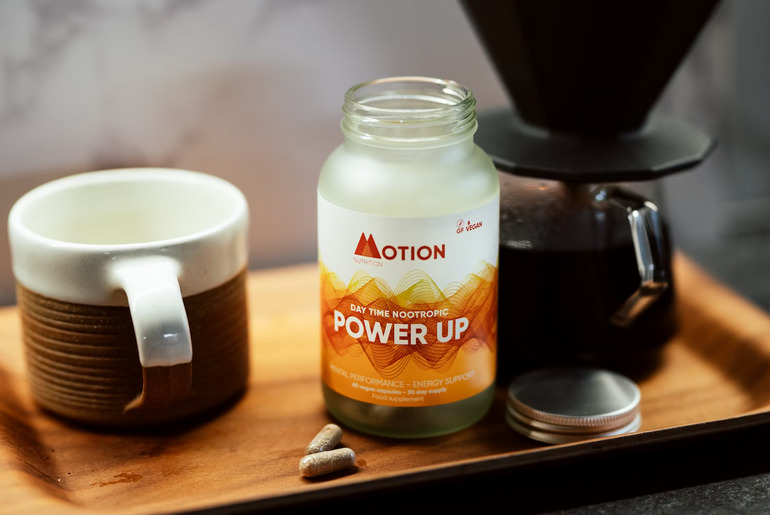






 The first tip for maintaining your brain health is to eat a healthy diet. Eating a balanced diet with lots of fruits, vegetables, and whole grains can help keep your brain functioning at its best. Additionally, adding foods that are rich in omega-3 fatty acids (like fish or avocado) can boost your cognitive performance. This is because these essential nutrients have been linked to improved mental performance, increased focus, and better memory. If you are the type of person who plans their meals, include these foods on your grocery list.
 The fourth tip for maintaining your brain health is to stay mentally active. This means engaging in activities that challenge and stimulate your minds, such as puzzles and reading. Research has shown that these activities can help delay the onset of age-related cognitive decline and keep our brains sharp over time. Spare some time each day to engage in activities such as crosswords, sudoku, and jigsaw puzzles. You can also try reading books or taking online classes to keep your brain engaged and challenged. Just as you work to keep your physical health in check, it’s essential to monitor your mental health and take steps to boost your brainpower.