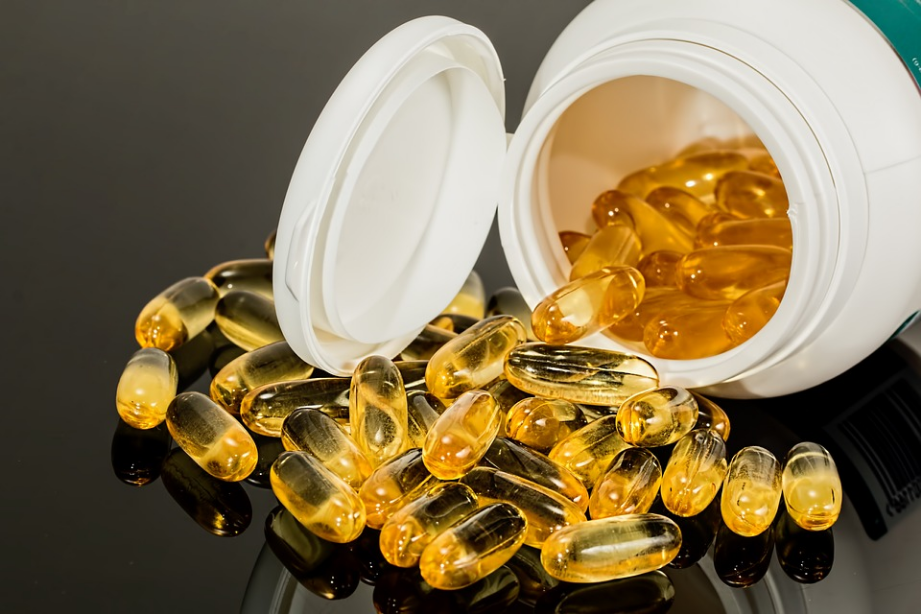
Believe it or not, the signs are pretty visible when your body needs extra nutrient intake. Whether you suffer from certain diseases or have been in a bad diet, you need to listen to your body as it shows signs that it needs proper care. Consuming food supplements is one of the easiest and most common forms of health trends that modern people cannot resist. The secret of these products lies in the different formulas that serve different purposes. Consuming Isagenix, for instance, is what people with weight loss issues need. They need the product as it helps them lose weight, build lean muscles, and maintain their overall health.
This article discusses several signs that your body needs additional intakes from food supplements. If you are currently looking into it, below are what you need to pay attention to.
Constant Fatigue
Constant fatigue can mean several different things, but the most common reason is that there is something wrong with your body. If you continuously want to stay in bed no matter how many hours have you slept the day before, it means that your body sends its firs signal that it needs better care. Feeling exhausted for an extended period can simply mean toxin buildups in your body system. You need to do something to get rid of these buildups before it affects your health significantly.
Consuming products that promise to add extra power and help your body to cleanse itself is what you need to so. Sometimes, it is better to consult with your doctor first before consuming any. However, commercial products often claim that they are safe to drink even without a doctor’s prescription, and they indeed are.
Low Immune System
The lower immune system is another thing to notice. If you feel that you can easily get sick, even for one small reason, it means that your health is under attack and you need to do something about it. Taking pills or other forms of supplements that can help your body maintain its healthy status is vital at this point. The formulas will protect your body from free radicals and viruses that can lead to health issues.
Pain
Pain is part of your natural body system. However, if it comes too often without you even know what brings it to your nerves, it is a big sign that your body needs extra nutrients. Cramps, inflamed joints, migraine, and dizziness are some example. If you notice some of these examples and it happens too frequently, it is time to consider taking health products.
Testosterone is the primary sex hormone for males, but even women have low levels of the hormone. In men, this steroid hormone is produced in the testicles and ovaries in women. Also, the adrenal gland produces small amounts of the hormone.
This hormone reaches its peak among teenagers leading to the changes seen in boys, like breaking of voice and hair growth. Unfortunately, despite the hormone being necessary for adulthood, its levels drop. To raise the hormone quantities to the optimal level, you can consider using the best testosterone supplements alongside other methods like exercising.
Here are some tips to boost testosterone levels naturally:
Eat a Balanced Diet
According to research eating healthily is vital to maintain the right testosterone levels and have generally good health. It would be best to pay keen attention to what you eat and have a long-term diet strategy. You may have low testosterone levels due to poor diet and overeating.
You need to observe a balanced diet and ensure you eat enough proteins because they fight obesity and help ti have the optimal testosterone levels. Carbohydrates are also vital, so you need to eat enough of them because they assist in having optimal levels during resistance training. It is advisable to consume whole foods to get the best carbohydrates supply.
Get Enough Sleep
You could have low levels of hormones and other chemicals that the body needs due to poor sleeping habits. This may also lead to low testosterone levels, as one study conducted by the University of Chicago shows. It showed that testosterone levels could decrease significantly in men who do not sleep for enough hours.
It would help if you aimed to sleep 7 to 8 hours every night to maintain optimal testosterone levels and even for the other hormones. You can take some measures to promote sleep, like avoiding caffeinated drinks when nearing bedtime, keeping off devices like phones and laptops before retiring to bed, and having a well-aerated and dark sleeping room.
Manage Your Stress
Research shows long-term stress while leads to high levels of the hormone cortisol and hurt testosterone levels. The two hormones -cortisol and testosterone -work in a seesaw, so when one increases, the other decreases.
To have overall good health and the best testosterone levels, you need to avoid constantly stressful situations in life, get good sleep, laugh heartily and eat balanced meals. Also, have a balanced lifestyle that allows you to have time for socialization and your private stuff to not build up stress.
Feeling sluggish and drained throughout the day is a struggle that many of us can relate to. Whether it’s the mid-afternoon slump or just a general lack of energy, finding ways to stay energized and focused can be a challenge. But if you find it challenging to stay active during the day, these natural testosterone boosters are excellent options. Along with this supplement, there are still many supplements out there specifically designed to give you that much-needed boost and help you power through your daily tasks with ease. Let’s explore them here.
Vitamin B Complex Supplement
This powerful combination of essential B vitamins can work wonders for boosting your overall energy and vitality. One key benefit of the Vitamin B Complex is its ability to support proper brain function. It helps convert food into fuel, which provides the energy needed for optimal cognitive performance. So if you often find yourself struggling with mental fatigue or difficulty concentrating, incorporating a Vitamin B Complex supplement into your daily routine may be just what you need to stay sharp, focused, and energized.
Not only does this supplement promote mental clarity, but it also plays a crucial role in supporting our body’s natural metabolism. By aiding in the breakdown and utilization of carbohydrates, proteins, and fats, Vitamin B Complex ensures that we have enough energy to power us through even the busiest days.
Rhodiola Supplementation
Rhodiola supplementation is gaining popularity as an effective way to boost energy and combat fatigue. Derived from a plant called Rhodiola rosea, native to the European and Asian Arctic, it has long been used in traditional medicine for its energizing properties. The best thing about it is its ability to enhance mental performance. It has been shown to improve cognitive function, attention span, and memory retention.
This definitely makes it an ideal supplement for those who need a mental pick-me-up during their busy workday or while studying for exams. In addition to boosting brain power, Rhodiola also helps increase physical stamina and endurance. It works by increasing the ATP levels in the body, which are responsible for providing energy to our cells. It can be especially beneficial for athletes or anyone who often engages in strenuous physical activities.
Creatine
If you’re looking to enhance your energy levels and power through your day, creatine is a supplement worth considering. Creatine is a natural compound often found in foods like meat and fish. It plays a main role in supplying energy to cells, particularly during high-intensity activities. So it can boost your energy and keep you awake throughout the day. Research also has shown that taking creatine supplements may also have cognitive benefits. Some studies suggest it could enhance brain function by increasing mental clarity and reducing fatigue.
Testosterone Booster
Today, many people also turn to testosterone boosters. These supplements are designed to enhance testosterone production in the body, which can lead to increased energy and improved performance. One popular natural ingredient found in testosterone boosters is fenugreek extract. Fenugreek has been shown to increase strength and stamina, making it a great addition for those looking to stay energized all day long.
As words of advice, note that while these supplements offer potential benefits for boosting energy levels throughout the day when taken responsibly; they should not be seen as quick fixes or substitutes for leading a healthy lifestyle which includes regular exercise, adequate sleep, and a balanced diet.
In a world where screens dominate our daily lives and indoor living has become the norm, it’s easy to overlook one of nature’s simplest yet most powerful remedies: the great outdoors. Imagine stepping outside, feeling the warm sun on your skin, breathing in crisp, fresh air, and surrounded by the soothing sounds of rustling leaves and chirping birds. This isn’t just a delightful escape; it’s a vital prescription for enhancing our physical and mental well-being. Join us as we embark on an enlightening journey through lush forests, tranquil parks, and stunning mountains to uncover how spending time outdoors can rejuvenate your mind, boost your mood, and transform your health in ways you never thought possible.
Boosts Mental Health and Reduces Stress
If you’ve ever taken a walk through the park or spent time in a quiet garden, you’ve probably noticed that being outside helps you feel more relaxed and at ease. That’s no coincidence. Studies show that spending time in nature reduces stress, anxiety, and depression. Natural environments, with their fresh air and green landscapes, have a calming effect on the mind. Simply being around trees, plants, and open spaces can help reduce the levels of cortisol, the body’s stress hormone, making you feel more peaceful and centered. Whether you’re taking a short break during your workday or planning a weekend hike, a little time outdoors can work wonders for your mental health.
Improves Physical Health and Fitness
Spending time outdoors isn’t just about mental health—it also has a positive impact on your physical health. Whether you’re walking, cycling, or engaging in more intense activities like hiking or running, outdoor exercise can help you stay fit and strong. Outdoor activities often provide a more varied and enjoyable workout experience compared to indoor gym routines. The fresh air, changing landscapes, and natural obstacles make outdoor exercise more engaging and challenging. Plus, physical activity in nature can improve cardiovascular health, boost stamina, and help maintain a healthy weight. So, instead of hitting the gym every day, consider swapping some of your indoor workouts for outdoor adventures to improve your overall fitness.
Enhances Immune Function
Another remarkable benefit of spending time outdoors is the positive impact it has on your immune system. Exposure to sunlight helps your body produce vitamin D, which plays a key role in maintaining healthy bones, regulating your immune system, and reducing inflammation. Just 15–30 minutes of sunlight exposure a few times a week can help keep your vitamin D levels up, particularly in the colder months when sun exposure is limited. Additionally, spending time in nature, especially in forested areas, has been shown to boost the activity of immune cells that help fight off infections and diseases. Nature offers a simple and natural way to strengthen your immune system and stay healthier.
Increases Creativity and Cognitive Function
If you’re feeling mentally foggy or in need of a creative spark, spending time outdoors can help you clear your mind and boost your cognitive abilities. Studies show that time spent in nature can improve focus, enhance creativity, and increase problem-solving skills. The natural world provides a much-needed break from the distractions and constant stimuli of everyday life, allowing your mind to reset and recharge. Even a short walk in the park can help improve concentration and productivity, making outdoor time a great way to stay sharp and energized. If you’re looking to boost your creativity or improve your focus, taking your work or brainstorming session outside can provide a much-needed mental refresh.
Promotes Better Sleep
Struggling with sleep? Spending time outdoors during the day can help regulate your sleep patterns and improve the quality of your rest. Exposure to natural light during the day helps regulate your body’s circadian rhythm, which controls your sleep-wake cycle. Being outside during the day signals to your body that it’s time to be active, while nighttime darkness encourages relaxation. Additionally, outdoor exercise, especially in the morning, can help you fall asleep faster and enjoy deeper, more restorative sleep at night. So, if you’re having trouble sleeping, try getting outside more often during the day to help reset your body’s natural sleep cycle.
Spending time outdoors is more than just an enjoyable way to pass the time—it’s a powerful tool for improving your health and well-being. From boosting your mood and reducing stress to enhancing physical fitness and promoting better sleep, nature offers a variety of benefits for both your body and mind. So, the next time you’re feeling stressed or looking to improve your overall health, step outside and enjoy all that nature has to offer. Whether you’re taking a walk, going for a hike, or simply sitting in the sun, your body and mind will thank you for it.


 According to research eating healthily is vital to maintain the right testosterone levels and have generally good health. It would be best to pay keen attention to what you eat and have a long-term diet strategy. You may have low testosterone levels due to poor diet and overeating.
 You could have low levels of hormones and other chemicals that the body needs due to poor sleeping habits. This may also lead to low testosterone levels, as one study conducted by the University of Chicago shows. It showed that testosterone levels could decrease significantly in men who do not sleep for enough hours.